
Ryan Robinson, Director of Education, Brescome Barton and Worldwide Wines.
What’s Next in Beverage Trends for 2026
By Ryan Robinson, Advanced Sommelier-CMS, WSET Diploma and WSET Educator
If you think the world of drinks didn’t change much since last Thanksgiving, think again. As we roll into 2026, the beverage landscape is shifting in ways that will make consumers, sommeliers, bartenders, and wine lovers raise an eyebrow before raising a glass. What was once predictable with tidy categories, familiar best-sellers, and stable consumption patterns, is now more adventurous, more nuanced, and frankly, more exciting than it has been in years.
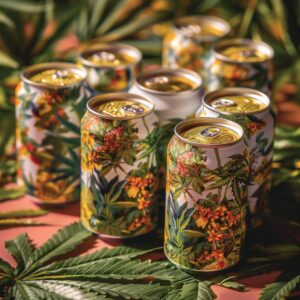
For starters, let’s talk about something that would’ve seemed wild not long ago: The increased presence of THC seltzers in venues, where legal. These lightly fizzy, low-alcohol drinks aren’t a replacement for wine or beer, but they’re definitely carving out space in the chilled section. Unlike the edible chocolates or gummies that sneak up on you, THC seltzers come with a predictable structure, controlled dosing, drinkable format, familiar packaging, and they appeal to the curious crowd who want something different without the buzzkill hangover. Retailers tell me these are gaining traction in both urban and rural New England markets. The new wave of these beverages also pair with adaptogenic mushrooms as an accompaniment to THC, an effort for producers to tap into the “healthy for you” craze.
 Flip over to the ready-to-drink world, the RTDs and craft cocktail cans, and you’ll see the opposite story. Not long ago, this was the new frontier. Handcrafted highballs, pre-mixed Negronis, vodka-tonics with a citrus twist…they were popping up everywhere and looked unstoppable. But a funny thing happened; the category got saturated. Too many brands chasing trends, too many homogenized flavors, and too few that actually tell you who made the drink and why it matters.
That’s where the wine world still has a leg up: People don’t just buy wine for alcohol or price. They buy it because it comes from a place with history, identity, and meaning. That’s a theme that’s only going to get stronger in 2026. Bulk wines you see in giant retail stacks are going to struggle against the producers who can share why their wine exists: The hillside orchard planted by Nonna in the 1950s, the family that survived phylloxera and kept the vineyards, the parcels of ancient soils no one else farms. These narratives resonate because wine, at its best, is about people, place and struggle translated into glass.
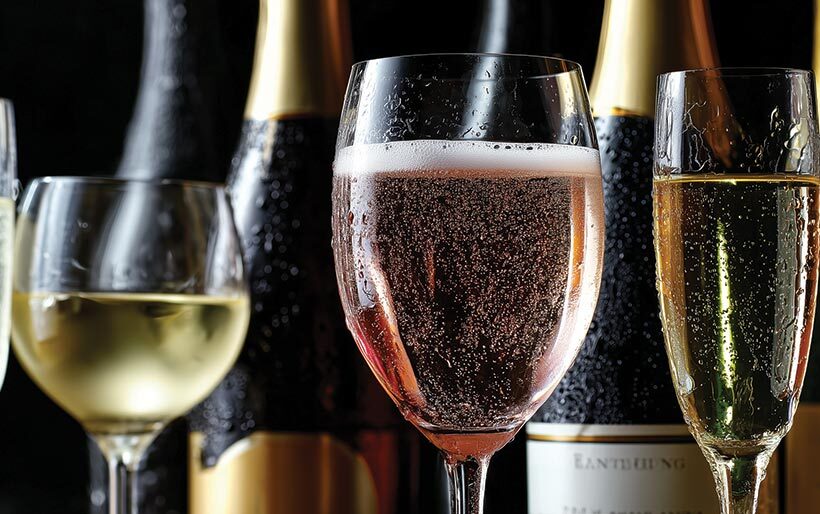
Sparkling wines, for their part, aren’t going anywhere. They’ve always been a mainstay at celebrations and in hospitality. To spice up your selection, look for alternative regions to make deeper inroads in 2026. Beyond Champagne, Prosecco DOCG producers are focusing on terroir distinctions within Conegliano-Valdobbiadene, emphasizing “rive” sites (a steep, high quality vineyard site) and soil differences rather than just fruity, easy bubbles. This terroir forward approach lets them compete on story and place, not price alone. This enables both retailers and restauranteurs with something to talk about when every competitor stocks the same familiar names. Sparkling from Spain, England, and even Italy’s own Franciacorta or Alta Langa DOCG will show up more often because buyers are chasing personality, not just fizz.
Speaking of Italy, there’s also movement in the appellation world worth mentioning. The country’s highest quality tier, Denominazione di Origine Controllata e Garantita (DOCG), continues to grow and evolve, signaling regions and wines that are stepping up their game. In 2025 alone, Cirò Classico became Calabria’s first DOCG, elevating the old Cirò Rosso to new prestige with strict aging and varietal rules that emphasize quality and identity. DOCG signals intentionality.
 Meanwhile, it’s no secret that overall wine consumption has slowed in key markets. People are drinking less, but what they do drink, they’re doing more thoughtfully. And that’s why buyers might be purchasing with fewer selections, but those that make the cut show greater quality, identity, and have a story to tell.
In summary then: Beverages that are experience-oriented will thrive; those that connect you to a place or person. (*Ahem, Producers: you NEED to work the market to establish a face and identity to your brand). Second, categories that feel generic, saturated RTDs, bulk wine, will have to innovate or fade.
Third, the intersection of drinks and lifestyle, including THC seltzer in its legal markets will keep pushing traditional boundaries. And finally, appellation systems like Italy’s DOCG signal that heritage and quality still matter deeply to the people who make and buy wine.
Ryan Robinson is the Director of Education for Brescome-Barton Inc., and Worldwide Wines in Connecticut, an Adjunct Professor at the University of New Haven, and is the Principal at SommCentric, a beverage education and consulting agency. He is a member on the USA Wine Tasting Team, representing the United States and the World Wine Tasting Championships and holds the credentials of Advanced Sommelier-CMS; WSET Diploma and WSET Educator in Wine, Sake and Beer; Rioja Wine Educator; VIA Italian Wine Ambassador; Wine Scholar Guild Educator and Italian and Spanish Wine Specialist; and Certified Scotch Whisky.