
Ryan Robinson, Director of Education, Brescome Barton and Worldwide Wines.
By Ryan Robinson, Advanced Sommelier-CMS, WSET Diploma and WSET Educator
Tariffs: Just reading or hearing the word can spark either confusion or fear, maybe both. Tariffs hit close to home if you’re buying wine and spirits for a restaurant, retail store or bar in Connecticut or Rhode Island. In 2025, they’re not just an abstract policy. They’re a real, bottom-line factor in what’s on your shelf and how much it cost you.
So, let’s break it down, to the most simple definition: A tariff is simply a tax on imported goods. Governments use them to protect domestic industries, raise money or push back against what they see as unfair trade practices. In theory, tariffs can level the playing field. In practice, they often mean higher costs for consumers, headaches for importers and a whole lot of scrambling for those of us in the beverage trade.
Tariffs are nothing new. The first U.S. tariffs were enacted with the 1791 Whiskey Tax, to raise federal revenue to pay off the costs from the Revolutionary War. This led to the Whiskey Rebellion and was ultimately repealed in 1802. Big failure. From a historical perspective, tariffs have shown little, if any, success.
In Connecticut and Rhode Island, where Old World wines make up a big slice of restaurant lists and retail offerings, tariffs don’t hit evenly. Luxury wines—think Bordeaux, Burgundy and Brunello—take the most visible blow, since a 15% jump on a $60 wholesale bottle adds up quickly. But the real pressure lands on smaller retailers and restaurant buyers who rely on hand-selling those mid-tier European gems from places like the Loire, Rioja or Austria. You can only explain “why this bottle costs more now” to a regular so many times before they start walking over to the California or Chile section.
So, what can a smart buyer do? First, transparency matters. If you’re a retailer or an on-premise buyer, don’t just quietly adjust your pricing and hope no one notices. Let your customers know this is a federal tariff issue, not your own markup greed. Use the moment to introduce alternatives like Chilean Carménère, South African Chenin Blanc or Australian Shiraz that offer similar profiles without the extra tax.
 Retail tip: This is also a great opportunity to offload some of your slow-moving inventory. Create a pop-up section in your store, call it “Pre-Tariff Deals” and you’d be surprised how quickly people will pick up bottles because they’re getting a deal and you can free up some inventory space and dollars!
There’s also an opportunity here to dig deeper into your distributors’ lesser-known European wine regions. Wines from these regions typically don’t sell quickly … leaving hidden gems nestled in distributors’ warehouses that were purchased pre-tariff threat. Additionally, places like the Jura, Etna, Languedoc and lesser-known Spanish DOs still have incredible wines that, even with tariffs, can outperform more famous neighbors on price and quality. Those who lean into their distributor relationships can sometimes snag pre-tariff inventory or lock in allocations before the next round of increases.
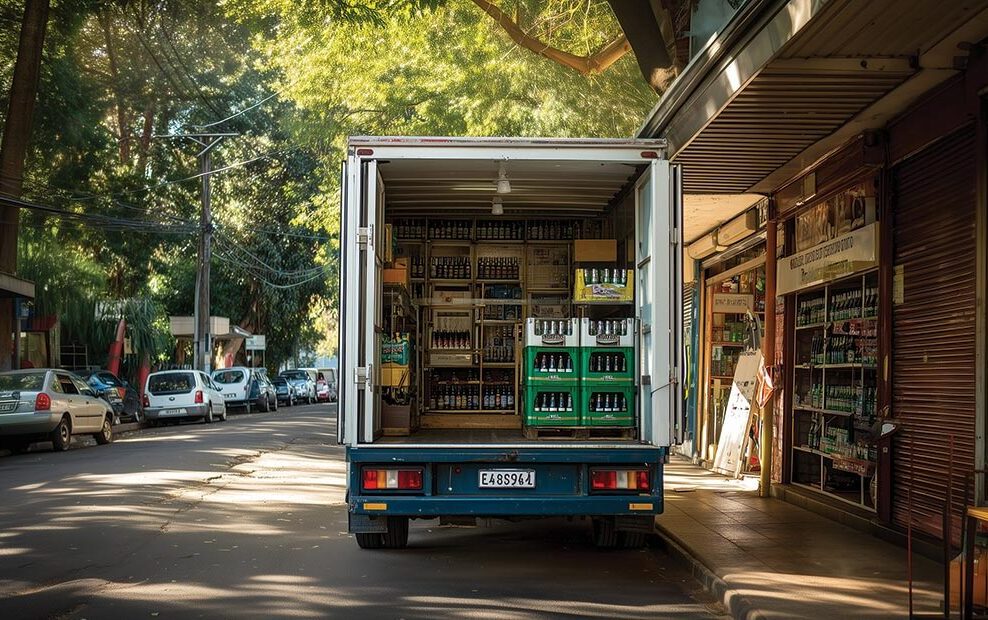
The Toasts Not Tariffs Coalition, representing more than 50 associations from across the beverage alcohol supply chain, made its warning clear: Without an agreement soon, the critical holiday selling season could be jeopardized. A 15% tariff might not sound like a big number on paper, but industry estimates suggest it could mean over 25,000 lost jobs in the U.S. and nearly $2 billion in lost sales. That’s not just “industry pain.” That’s fewer trucks on the road delivering cases, fewer shifts for bartenders and less revenue for local tax coffers.
It’s important to remember that buyers in Connecticut are protected from instant price increases. All pricing must be posted by distributors within the state 45 days in advance. This gives buyers a cushion to plan potential replacements. Communicate with your sales representatives and have a strategy if your top-glass pour or SKU is going to take a price increase.
Here’s the takeaway: Tariffs aren’t going away anytime soon, but you’re not powerless. Educate your customers, protect your margin where you can and find creative ways to introduce new wines that will give you stability in an unstable market. When you can, make your voice heard, whether through trade groups, letters or even social media, because policy decisions made in Washington and Brussels have a direct line to your wine list and your register tape.
Ryan Robinson is the Director of Education for Brescome-Barton Inc., and Worldwide Wines in Connecticut, an Adjunct Professor at the University of New Haven, and is the Principal at SommCentric, a beverage education and consulting agency. He is a member on the USA Wine Tasting Team, representing the United States and the World Wine Tasting Championships and holds the credentials of Advanced Sommelier-CMS; WSET Diploma and WSET Educator in Wine, Sake and Beer; Rioja Wine Educator; VIA Italian Wine Ambassador; Wine Scholar Guild Educator and Italian and Spanish Wine Specialist; and Certified Scotch Whisky.